

PPF vs. Vinyl Wrap: What’s the Difference?
NOT BUILT TO BLEND IN.
Two films. Two different jobs.
Paint protection film (PPF) and vinyl wraps can both be applied to a vehicle’s exterior, but they serve different purposes. If you’re deciding between them, start with one question: are you mainly trying to protect your paint, change your look, or do both?
What is paint protection film?
PPF is a typically clear protective film applied to painted panels. It is designed to help defend against common hazards such as small stone chips, road debris, bug splatter, and everyday surface wear. Coverage can focus on high-impact areas like the front bumper and hood or extend across more of the vehicle. The film is not damage-proof, and its performance depends on the product, installation, and conditions.
What is a vinyl wrap?
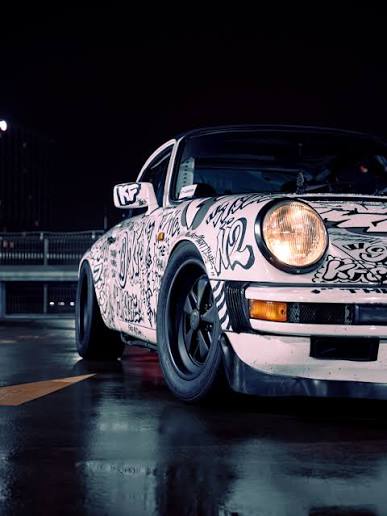
A vinyl wrap is primarily a styling choice. It lets you change a vehicle’s appearance with different colors, finishes, accents, and graphics without committing to a permanent paint color change. Vinyl can offer a degree of surface coverage, but a typical color-change wrap is not a substitute for purpose-built PPF when impact protection is the priority.
Which one should you choose?
Choose PPF if preserving the existing paint finish is your top goal. Choose vinyl if you want a new color, finish, or custom graphic. Interested in both? Ask about a plan that balances the look you want with protection in the areas that take the most abuse. Material compatibility, layering, and maintenance should be discussed before installation.
What about ceramic coating?
Ceramic coating is another option, commonly used to enhance gloss and make cleaning easier. It does not provide the same physical barrier against rock chips as PPF. The right combination depends on your vehicle, budget, and expectations.
Start with your vehicle
There’s no universal package for every car or truck. Tell us the year, make, model, how you use it, and what you want it to look like. We’ll talk through the options.

